

Inguinal Hernia Surgery In Dubai
Table of Contents
Book An Appointment
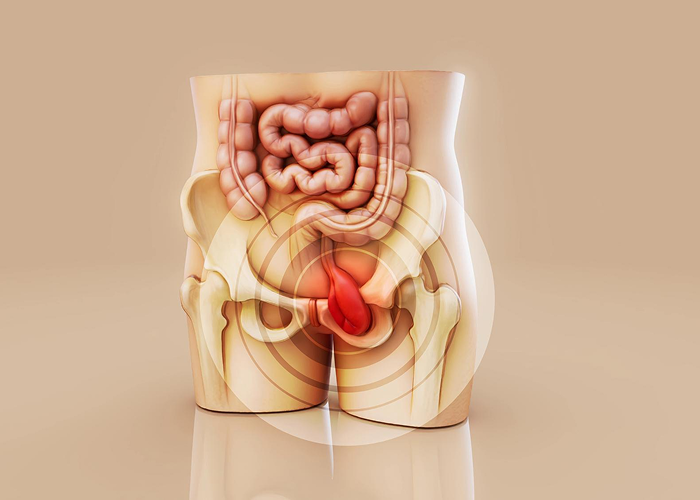
A lump in groin area in men is often ignored until it begins to hurt. In many cases, the cause is an inguinal hernia. While some hernias remain painless for a period of time, they do not heal on their own. When discomfort increases or the swelling enlarges, timely evaluation becomes important.
Dr Ahmed Hassn offers a thorough assessment and inguinal hernia surgery in Dubai, with a focus on safe repair, reduced recovery time, and durable results.
What is an Inguinal Hernia?
An inguinal hernia occurs when tissue, often part of the intestine or fatty tissue from the abdomen, pushes through a weak area in the lower abdominal wall. This weakness appears in the inguinal canal, a natural passage in the groin region.
In men, this canal carries the spermatic cord. In women, it contains the round ligament of the uterus. Because of anatomical differences, inguinal hernias are far more common in men.
The visible sign is usually a swelling or bulge near the pubic bone. It appears more clearly when standing, coughing, lifting, or straining.
What does Hernia pain feel like?
The sensation varies. Some describe a dull ache or dragging feeling in the groin. Others notice burning or pressure, especially after long periods of standing. Pain typically worsens when bending, coughing, or lifting heavy objects.
In advanced cases, swelling may extend into the scrotum, causing heaviness and discomfort. Not all hernias are painful at first, but enlargement over time is common.
Difference between Direct and Indirect Inguinal Hernia
Understanding the difference between direct and indirect inguinal hernia helps explain why hernias develop.
Indirect Inguinal Hernia
- Often present from birth due to incomplete closure of the inguinal canal
- More common in younger patients
- The hernia follows the natural path of the inguinal canal
- May extend into the scrotum
Direct Inguinal Hernia
- Develops later in life
- Caused by the gradual weakening of abdominal muscles
- Pushes directly through the abdominal wall
- More common in middle-aged and older men
Both types may require inguinal hernia surgery in Dubai if symptomatic or enlarging.
Causes and risk factors
An inguinal hernia can develop due to:
- Weakness in the abdominal wall
- Chronic cough
- Constipation with repeated straining
- Heavy lifting
- Obesity
- Pregnancy
- Previous abdominal surgery
- Family history
Age-related tissue weakening also plays a role.

Is an Inguinal Hernia dangerous?
An inguinal hernia may not be immediately life-threatening. However, it does not resolve on its own. Over time, the opening can widen, allowing more tissue to protrude.
Serious complications include:
- Incarcerated hernia: The hernia cannot be pushed back inside
- Strangulated hernia: Blood supply to the trapped intestine is cut off
Strangulation is a surgical emergency. Symptoms may include sudden severe pain, nausea, vomiting, redness over the swelling, or inability to pass stool or gas. Immediate medical attention is essential.
Early inguinal hernia surgery in Dubai reduces these risks significantly.
Diagnosis
Diagnosis is usually clinical. During examination, Dr Ahmed Hassn will assess the swelling while the patient is standing and may ask the patient to cough to make the bulge more evident.
If required, ultrasound imaging is performed to confirm the diagnosis or rule out other causes of groin swelling such as lymph node enlargement or femoral hernia.
Treatment options
Watchful waiting
In selected men with very small, painless hernias, short-term monitoring may be considered. However, most inguinal hernias eventually require repair.
Surgical repair
The definitive treatment is surgery. Inguinal hernia surgery in Dubai aims to:
- Return protruding tissue to the abdominal cavity
- Close the defect in the abdominal wall
- Reinforce the area to prevent recurrence
Laparoscopic Inguinal Hernia Repair
Laparoscopic inguinal hernia repair is a minimally invasive technique widely performed by Dr Ahmed Hassn.
This approach involves small incisions through which a camera and specialised instruments are inserted. A surgical mesh is typically placed to strengthen the weak area.
Benefits include:
- Smaller scars
- Reduced post-operative pain
- Shorter hospital stay
- Faster return to normal activity
- Lower risk of wound complications
Open surgery remains appropriate in certain complex or recurrent cases. The choice of technique is individualised based on medical history and clinical findings.
Recovery after Inguinal Hernia Surgery
Most patients return home the same day or after a short stay. Light activity is encouraged early. Heavy lifting is avoided for several weeks.
Mild swelling or bruising may occur initially. Discomfort is usually manageable with prescribed medication.
With modern Inguinal Hernia Surgery In Dubai, recurrence rates are low when performed by experienced surgeons.
Why trust Dr Ahmed Hassn?
Dr Ahmed Hassn is a highly experienced consultant in general and laparoscopic surgery. His practice in Dubai focuses on:
- Advanced minimally invasive hernia repair
- Careful pre-operative assessment
- Individualised surgical planning
- Emphasis on patient safety
- Structured post-operative follow-up
Patients benefit from a balanced approach where surgery is recommended only when clinically appropriate.
Dr Ahmed Hassn has been doing laparoscopic Inguinal hernia repairs since the late nineties and has performed more than 2200 Laparoscopic hernia repairs with excellent results.
Expert Inguinal Hernia care in Dubai
If you have noticed a swelling or are experiencing groin discomfort, early consultation is advisable.
Dr Ahmed Hassn provides expert evaluation and Inguinal Hernia Surgery in Dubai, with modern techniques aimed at safe repair and durable outcomes. Prompt assessment can prevent avoidable complications and restore comfort with confidence.
Frequently asked questions
While not always urgent initially, it can enlarge and lead to incarceration or strangulation. Early evaluation is advised.
It may feel like a dull ache, heaviness, burning sensation, or pressure in the groin, often worsening with activity.
Indirect hernias are often congenital and follow the inguinal canal. Direct hernias develop later due to muscle weakness and push directly through the abdominal wall.
For many patients, laparoscopic inguinal hernia repair offers faster recovery and less discomfort. The best method depends on individual factors.
Not always. Other causes include lymph nodes or soft tissue masses. Clinical assessment confirms the diagnosis.
No. Exercise may strengthen muscles, but it does not close the defect. Surgical repair is the only definitive treatment.