Laparoscopic Surgery in Dubai
Table of Contents
Book An Appointment
Expert Laparoscopic Surgery in Dubai by Dr. Ahmed Hassn
Every surgical procedure begins with a clear diagnosis and a well-defined treatment plan. Whether it is hiatus hernia and antireflux surgery, stomach and esophageal cancer surgery, gallbladder removal, hernia repair, appendix surgery, bariatric treatment, or another surgical intervention, the goal remains the same to treat the condition effectively while minimizing trauma to the body.
Laparoscopic surgery in Dubai has become a preferred approach for many gastrointestinal and general surgical procedures because it offers enhanced precision and faster recovery. Laparoscopic and robotic surgery improve visibility during the operation while reducing damage to surrounding tissues. As a result, patients typically experience less post-operative pain, smaller scars, shorter hospital stays, and a quicker return to daily life.
Dr. Ahmed Hassn performs a wide range of minimally invasive procedures with a strong focus on surgical accuracy, patient safety, and long-term outcomes. Every case is carefully evaluated to determine whether laparoscopic surgery in Dubai is the most appropriate treatment option. When suitable, this advanced approach provides a safe, effective, and reliable path to recovery.
If you are considering laparoscopic surgery in Dubai, understanding the specific procedure recommended for your condition is the first step toward confident, informed, and personalized treatment.
What is Laparoscopic Surgery?
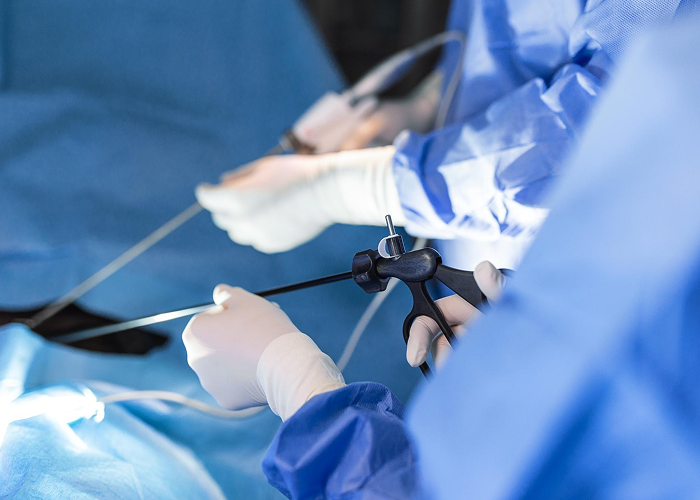
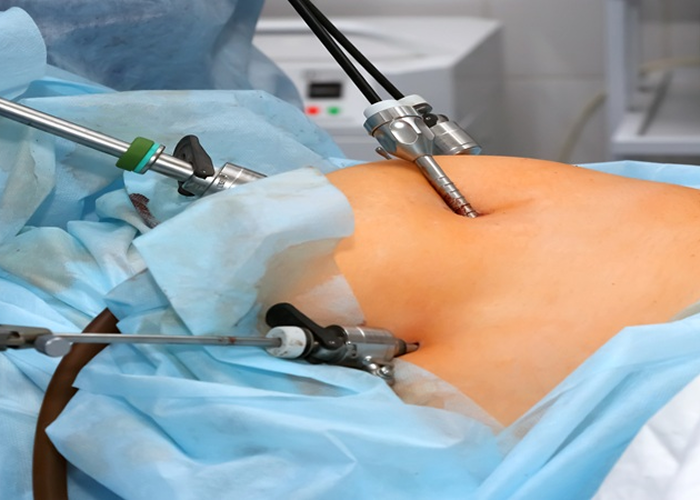
Laparoscopy is a minimally invasive surgical technique named after the laparoscope, a thin instrument fitted with a small camera and light at its tip. The device is inserted through a small incision, allowing the surgeon to view the inside of the body on a high-resolution monitor in real time.
Without this technology, a much larger incision would be required to see and access the area being treated. Because specialized instruments are used through these tiny openings, there is significantly less tissue disruption, and the surgeon can operate without placing their hands directly inside the body.
Why Laparoscopic Surgery Is the Preferred Choice
Compared to open surgery, laparoscopy offers:
- Smaller scars
- Less pain after surgery
- Lower risk of infection
- Shorter hospital stay
- Faster return to daily life
What do studies show?
Studies show that laparoscopic procedures can reduce hospital stay by up to 50% in many abdominal surgeries.
In several procedures, patients return to work within 1–2 weeks instead of 4–6 weeks required after open surgery.
Laparoscopic Surgery in Dubai: Procedures Performed by Dr. Ahmed Hassn
Upper GI Surgeries

Stomach Cancer Surgery
Laparoscopic surgery for stomach cancer entails removing part or all of the stomach, depending on the stage and spread of the disease. Nearby lymph nodes are also removed for proper cancer control. The minimally invasive approach allows better visualization inside the abdomen while reducing surgical trauma. Patients typically experience shorter hospital stays compared to traditional open procedures.
Esophageal Cancer Surgery
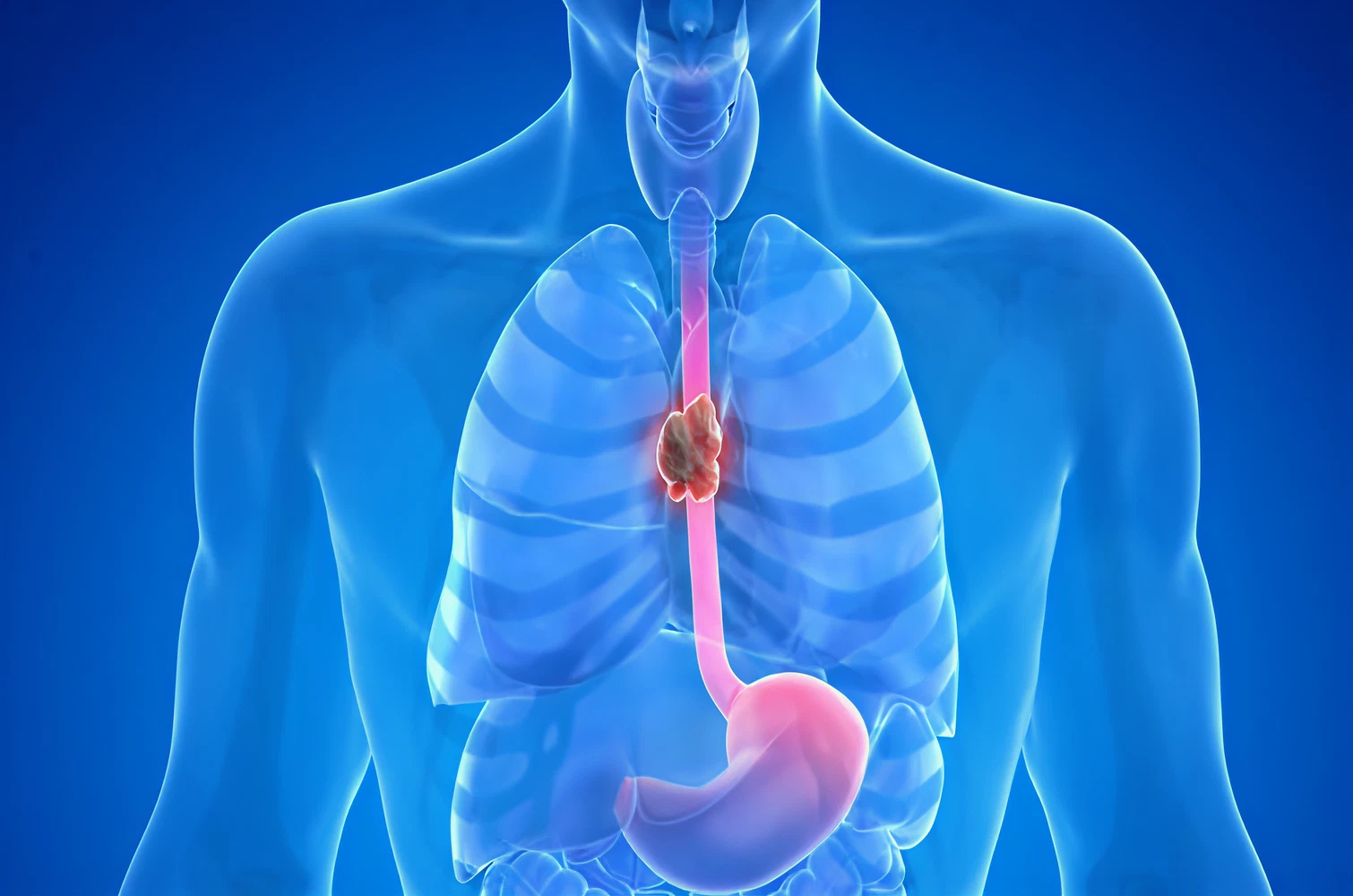
This procedure removes the diseased section of the esophagus and reconstructs the food passage, often using part of the stomach. It is a complex surgery that demands expertise and careful planning. A laparoscopic approach can reduce wound complications and support smoother recovery, while maintaining strong oncological outcomes.

Achalasia Cardia
Achalasia is a condition where the lower esophageal muscle does not relax properly, making swallowing difficult. Laparoscopic Heller’s myotomy is performed to carefully divide the tight muscle fibers. This helps food pass into the stomach more easily and provides long-term relief from difficulty swallowing.
GERD / Acid Reflux
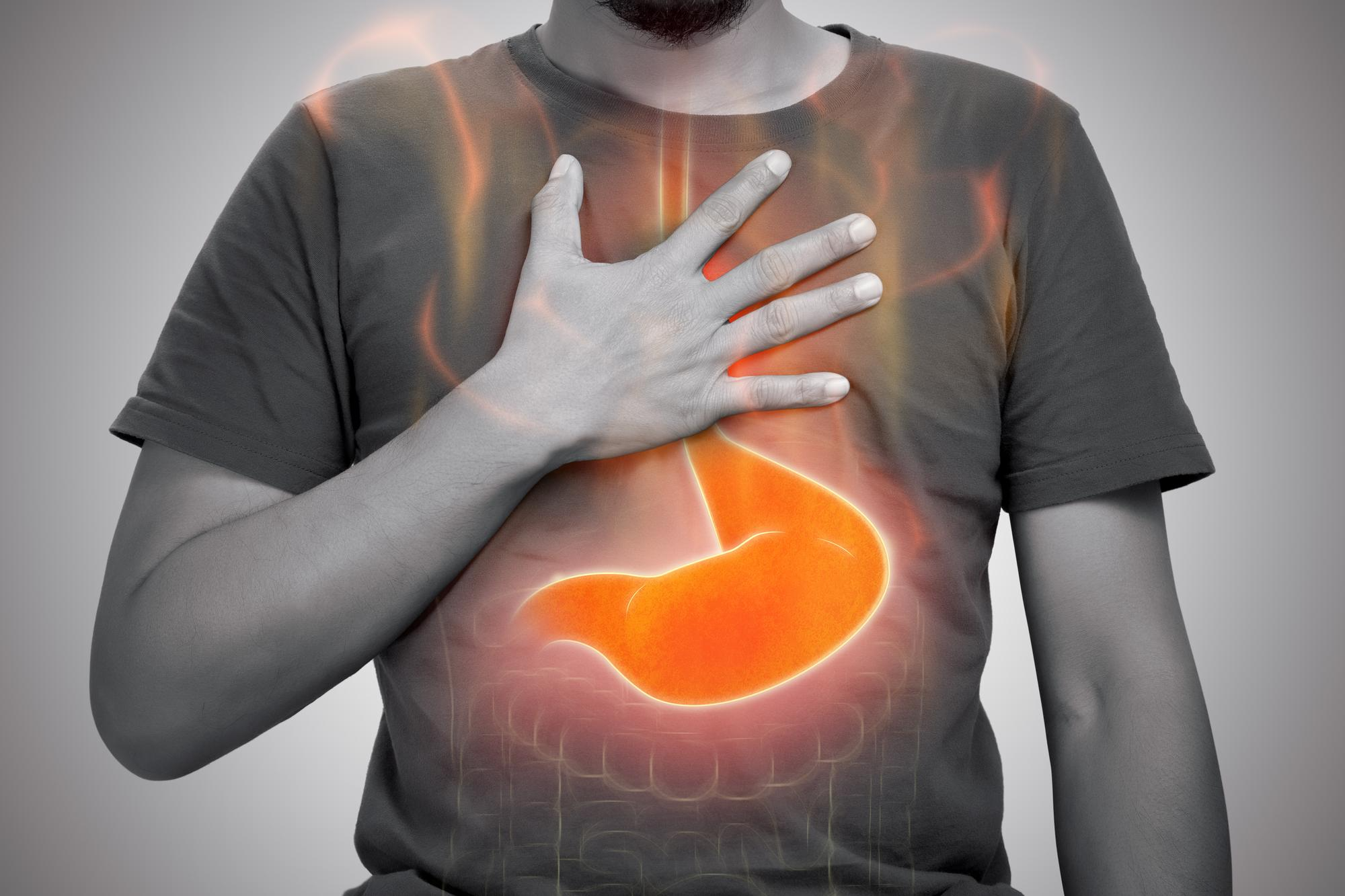
For patients who do not respond to medication, laparoscopic anti-reflux surgery (fundoplication) strengthens the valve between the stomach and esophagus. The upper part of the stomach is wrapped around the lower esophagus to prevent acid from moving upward. Most patients report significant improvement in symptoms and reduced dependence on lifelong medication
Hernia Surgeries
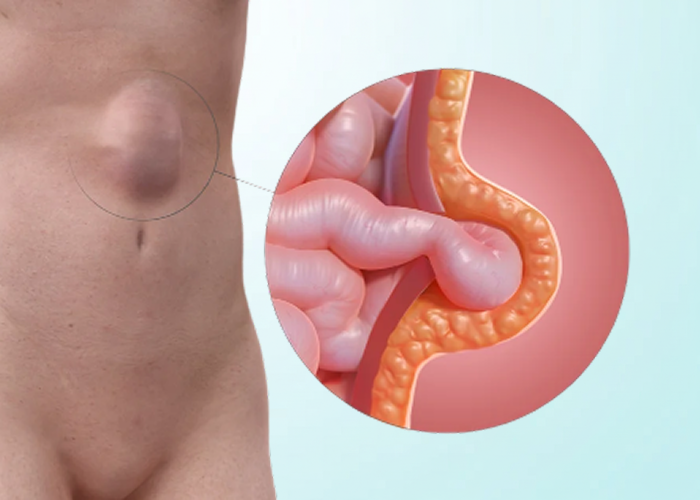
A hernia develops when internal tissue pushes through a weak spot in the abdominal wall. Laparoscopic hernia repair offers less pain and quicker recovery in many cases.

Ventral Hernia
A ventral hernia appears in the central abdominal wall. During laparoscopic repair, the protruding tissue is repositioned, and a mesh is placed to reinforce the weakened area. This reduces recurrence and provides durable support.
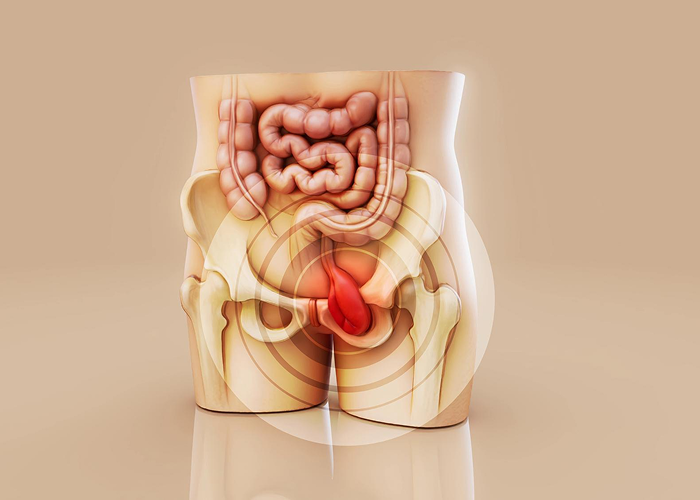
Inguinal Hernia
This is one of the most common hernias, occurring in the groin. Laparoscopic repair allows both sides to be examined and treated if needed. Small incisions result in minimal discomfort and an early return to normal activities.
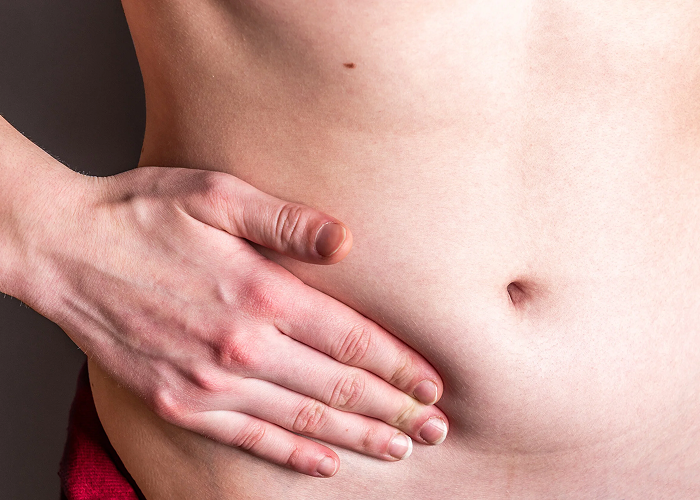
Umbilical Hernia
These hernias occur near the belly button. They may gradually enlarge over time. Laparoscopic correction strengthens the defect with mesh placement, offering a secure and cosmetically favorable result.
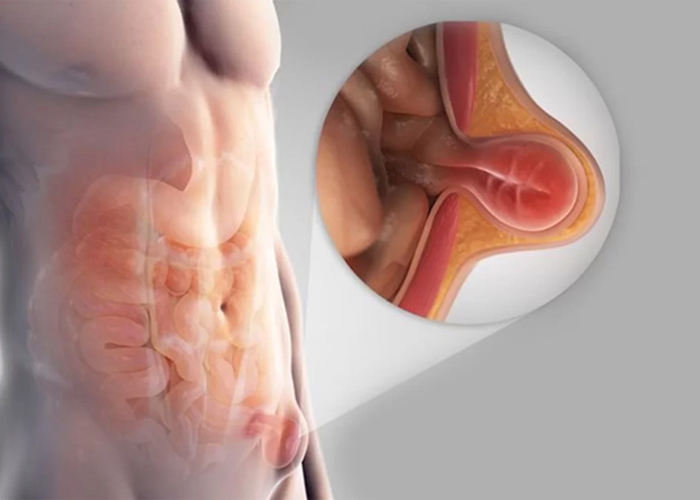
Incisional Hernia
An incisional hernia develops at the site of a previous surgical scar. Laparoscopic repair avoids reopening large scars and reduces wound-related complications while restoring abdominal wall strength.
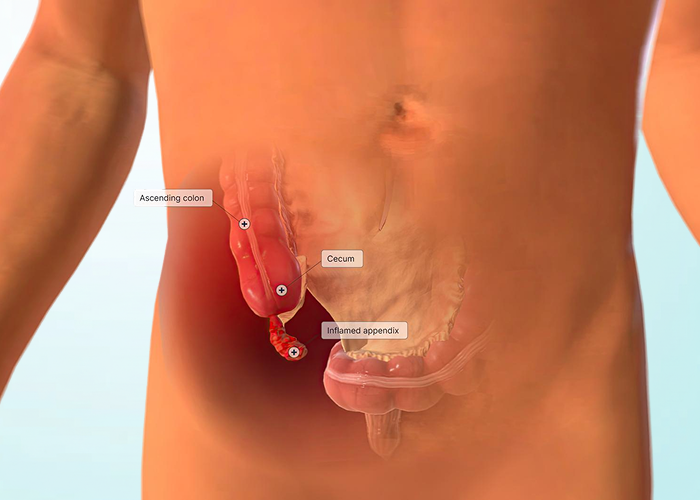
Femoral Hernia
Femoral hernias are less common but can carry a higher risk of complications if untreated. A laparoscopic approach enables accurate repair while minimizing tissue trauma.
Other Laparoscopic Surgeries
Dr. Ahmed Hassn also performs a wide range of advanced minimally invasive abdominal procedures.

Gall Bladder Surgery
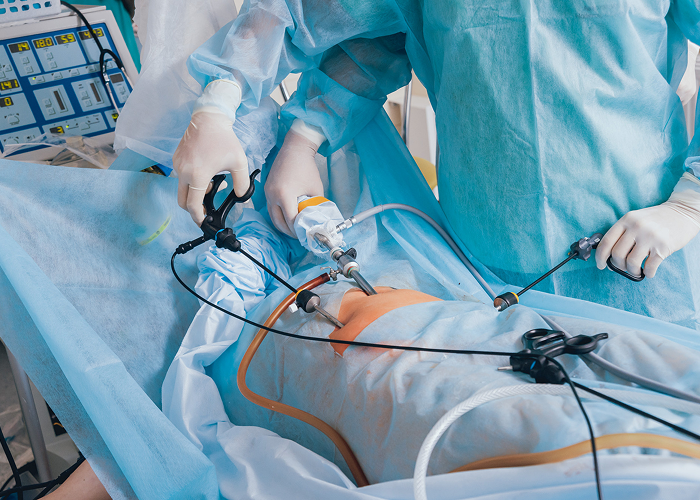
Gallstones can cause severe abdominal pain, infection, or inflammation. Laparoscopic cholecystectomy removes the gallbladder through small incisions. Most patients go home within 24 hours and resume routine activities within days.
Laparoscopic Adrenalectomy
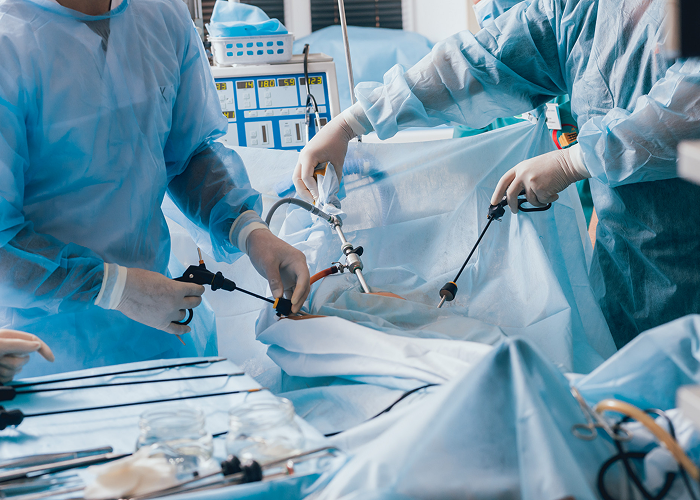
This procedure removes tumors or overactive adrenal glands. The laparoscopic method allows precise removal with less blood loss and faster hormonal stabilization compared to open surgery.
Laparoscopic Spleen Surgery
The spleen may need removal due to blood disorders, cysts, or trauma. Laparoscopic splenectomy reduces post-operative discomfort and shortens recovery time while ensuring careful control of surrounding blood vessels.
Laparoscopic Exploration of the Bile Duct
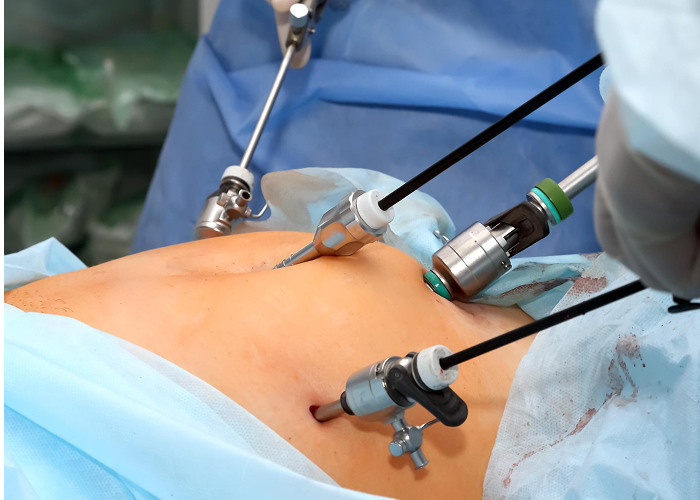
When stones are suspected in the common bile duct, laparoscopic exploration allows direct removal during surgery. This prevents future complications such as jaundice or infection.
Bariatric Surgeries
For individuals struggling with severe obesity, bariatric surgery can be life-changing. These procedures are performed laparoscopically to ensure safer outcomes and quicker healing.

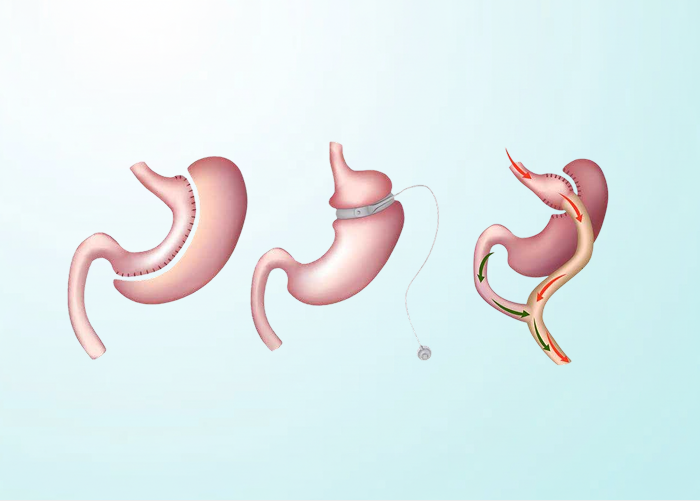
Bariatric Surgery
Bariatric procedures aim to reduce food intake and, in some cases, calorie absorption. Beyond weight loss, they help improve conditions like type 2 diabetes, high blood pressure, and sleep apnea.
Revision Bariatric Surgery
Sometimes, a previous weight loss surgery may not produce desired results or may cause complications. Revision procedures correct or modify earlier operations to restore effectiveness and improve safety.
Gastric Sleeve
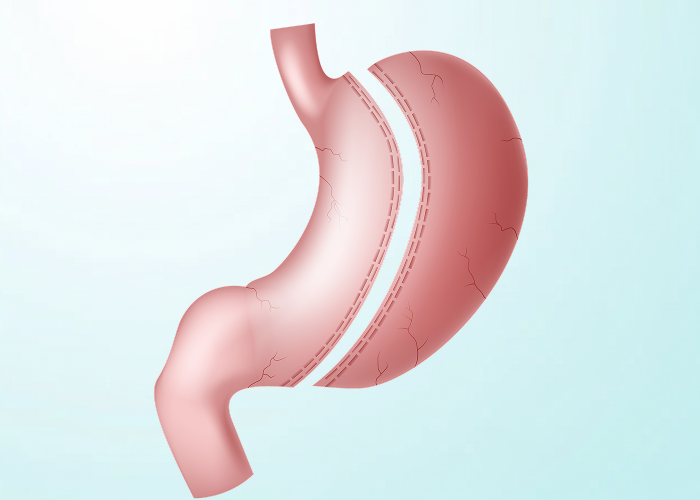
Also called sleeve gastrectomy, this surgery removes a large portion of the stomach, leaving a narrow tube-like structure. It limits food intake and reduces hunger hormones. Patients often achieve significant and sustained weight reduction.
Mini Gastric Bypass
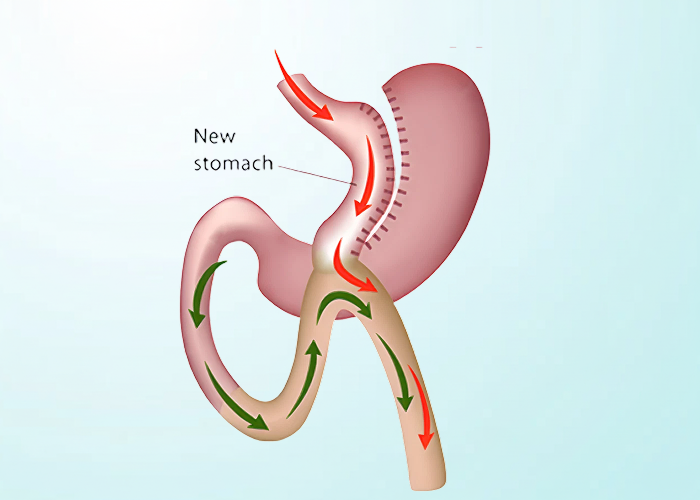
This procedure creates a small stomach pouch and connects it directly to a portion of the small intestine. It combines restriction and mild malabsorption, leading to effective weight loss with a relatively shorter operative time.
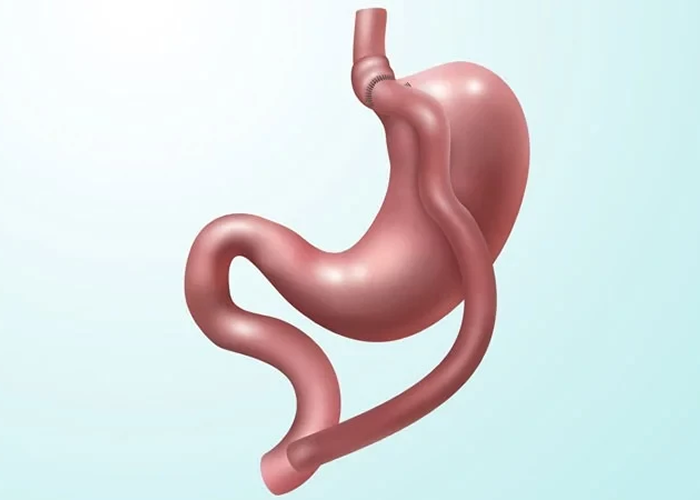
Gastric Bypass
Gastric bypass reduces stomach capacity and reroutes part of the digestive tract. It helps patients feel full sooner and absorb fewer calories, leading to steady weight loss and metabolic improvement.
Safety of laparoscopic surgery
Laparoscopic surgery in dubai is considered safe when performed by an experienced surgeon.
Complication rates are low. Major complications are rare and happen in less than 1% of cases. The chances of infection are less.
Dr. Ahmed Hassn follows strict protocols:
- Advanced imaging before surgery
- Careful anesthesia evaluation
- High-definition visualization
- Precise surgical planning
Patient safety always comes first.
What to expect before Laparoscopic surgery?
Your journey begins with a detailed consultation.
You will undergo:
- Medical history review
- Physical examination
- Blood tests
- Imaging if required
Clear instructions are provided regarding:
- Fasting
- Medications
- Hospital admission
Every concern is addressed before the procedure.
What happens during Laparoscopic surgery?
- You receive general anesthesia.
- Small incisions are made.
- Carbon dioxide gas is given to gently expand the abdomen.
- The laparoscope and instruments are inserted.
- The procedure is performed with precision.
- Incisions are closed with sutures or surgical glue.
Most procedures take 30 minutes to 2 hours, depending on complexity.
Recovery after laparoscopic surgery
Recovery is usually smooth.
Common experiences:
- Mild shoulder pain (due to gas used during surgery)
- Slight abdominal discomfort
- Tiredness for a few days
Most patients:
- Walk within hours
- Resume light activity in 3–5 days
- Return to work within 1–2 weeks
Detailed post-operative instructions are provided to ensure safe healing.
Importance of choosing the best laparoscopic surgeon in Dubai
Surgical outcome depends on skill, judgment, and experience.
Choosing the best laparoscopic surgeon in Dubai ensures:
- Accurate diagnosis
- Appropriate surgical decision-making
- Minimal complication risk
- Faster recovery
- Long-term success
Dr. Ahmed Hassn focuses not just on the surgery itself, but on your overall well-being.
When should you consider laparoscopic surgery in Dubai?
You may be a candidate if you have:
- Gallstones with pain
- Hernia
- Appendicitis
- Obesity-related health risks
- Chronic acid reflux
- Stomah and esophageal cancer disease
- Abdominal tumors
- Recurrent abdominal pain
Early evaluation prevents complications.
Dr. Ahmed Hassn's Approach to Laparoscopic Surgery in Dubai
Dr. Ahmed Hassn combines surgical expertise with compassion. He carefully evaluates each patient. If non-surgical treatment is an option, he will have a clear discussion with you before considering surgery.
When surgery is necessary, the goal is clear:
- Safe treatment
- Minimal tissue damage
- Quick recovery
- Long-term results
Robotic and Laparoscopic Surgery in Dubai - Explore advanced, minimally invasive care with Dr. Ahmed Hassn
Laparoscopic and Robotic surgery in Dubai - Explore advanced, minimally invasive care with Dr. Ahmed Hassn
Discover the benefits of modern surgical precision with Dr. Ahmed Hassn. With a focus on minimally invasive techniques, patient safety, and faster recovery, he ensures that every treatment plan is carefully tailored to your condition and comfort.
Experience expert care from one of the most trusted names in minimally invasive surgery. Your recovery begins with the right decision.
FAQs
Pain is usually mild to moderate. It is significantly less than open surgery.
Scars are small and fade over time.
Most patients qualify. However, some cases with complexities may require open surgery.
Many procedures allow discharge within 24 hours.
Most procedures last between 30 minutes to 2 hours. The exact duration depends on the type and complexity of the surgery.
In most cases, you can begin with liquids within a few hours. Solid food is usually introduced gradually, as advised by your doctor.
Yes, it is often safer than open surgery due to smaller incisions and faster recovery. However, overall health is assessed before making a decision.
In rare situations, conversion may be necessary for safety reasons. Your surgeon will always prioritize the safest approach.
Light walking is encouraged within a day. Strenuous exercise should wait for a few weeks, depending on the procedure performed.
For most conditions, surgery provides long-term or permanent relief. Outcomes depend on the specific disease and patient compliance with follow-up care.
Yes. Follow-up appointments help monitor healing and ensure there are no complications.
Most patients manage well with basic wound care and prescribed medications. Detailed instructions are provided before discharge.